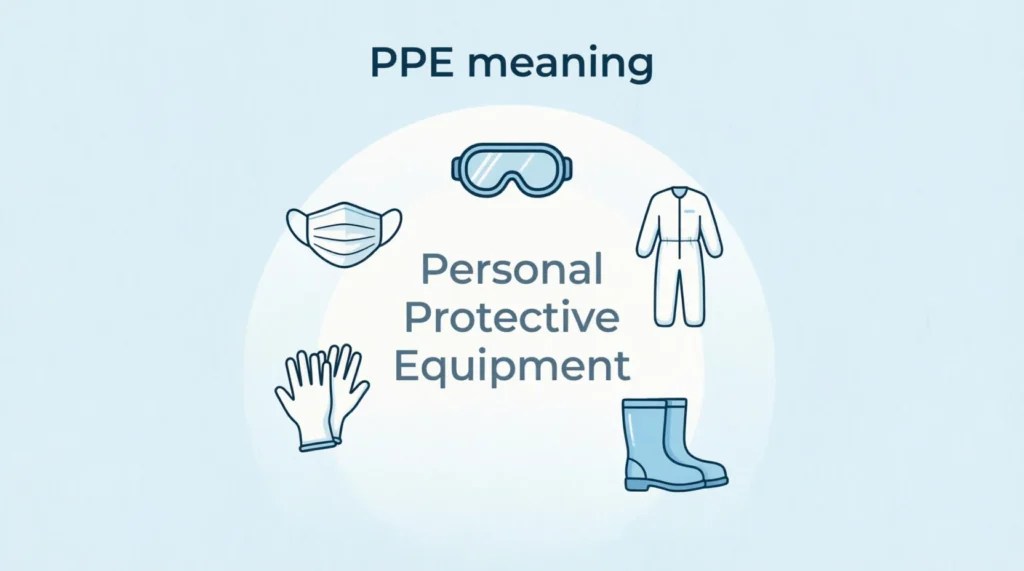
What does PPE stand for?
Personal Protective Equipment. This crucial acronym refers to specialized gear designed to protect workers from various hazards in the workplace. It serves as a physical barrier against injuries, infections, and harmful exposures, safeguarding health and well-being.Who is responsible for providing PPE in US workplaces?
Employers are primarily responsible for providing PPE in US workplaces. OSHA mandates that employers conduct hazard assessments, select appropriate PPE, supply it to employees at no cost (with some exceptions), and ensure its proper use and maintenance through training. This ensures a consistent safety standard.What are common examples of PPE?
Common examples of PPE include hard hats for head protection, safety glasses or goggles for eye protection, earplugs or earmuffs for hearing, various types of gloves for hand protection, and steel-toed boots for foot protection. Respirators, face shields, and high-visibility vests are also frequently seen.Is PPE always mandatory in hazardous work environments?
Yes, PPE is often mandatory in hazardous work environments in the US, especially when risks cannot be fully controlled through engineering or administrative measures. OSHA regulations require its use in situations where identified hazards pose a threat to worker safety or health, making compliance a legal necessity.How often should PPE be inspected and maintained?
PPE should be inspected before each use to check for any signs of damage, wear, or degradation. Regular maintenance, including cleaning and proper storage, should follow manufacturer guidelines. Any compromised or damaged PPE must be immediately replaced to ensure continuous, effective protection.Does PPE fully eliminate all workplace risks?
While vital, PPE is the last line of defense and does not fully eliminate all workplace risks. It significantly reduces exposure and the severity of potential harm but doesn't remove the hazard itself. Comprehensive safety programs prioritize hazard elimination and engineering controls before relying on PPE.Can employees refuse to wear required PPE?
No, employees generally cannot refuse to wear required PPE if it is deemed necessary by a hazard assessment and mandated by employer policy or OSHA regulations. Refusal can lead to disciplinary action, as wearing appropriate PPE is a critical component of maintaining a safe and compliant workplace for everyone.Ever heard the term PPE and wondered what exactly it refers to? You're not alone. In workplaces across the United States, from construction sites to healthcare facilities, understanding what does PPE mean is absolutely crucial for protecting workers from injuries and illnesses. It's more than just safety gear; it's a critical last line of defense against countless on-the-job hazards.
This guide will cut straight to the chase, answering your most pressing questions about Personal Protective Equipment. We’ll cover what it is, why it’s so important, the different types you might encounter, and how to make sure you're using it correctly. Our aim is to provide clear, actionable insights so you can navigate workplace safety with confidence and keep yourself and your colleagues safe.
By the time you finish reading, you'll have a solid grasp of PPE's role in maintaining a secure work environment and be better equipped to identify, select, and utilize the right protection for various situations. Let's dive into the specifics of this essential safety practice, ensuring you have all the knowledge needed to stay protected every single day.
What Exactly Does PPE Mean in the Workplace?
Personal Protective Equipment (PPE) refers to any clothing, helmets, goggles, or other garments or equipment designed to protect the wearer's body from injury or infection. These items are a worker's safeguard against exposure to physical, electrical, heat, chemical, biohazards, and airborne particulate matter that can lead to serious health issues or harm.
Think of PPE as your personal shield, customized to the specific dangers of your job. It's not about making a hazardous task completely safe, but rather about minimizing your exposure to residual risks after other safety controls, like engineering changes or administrative procedures, have already been put in place. Essentially, it’s the final barrier between you and potential harm.
In practice, what does PPE mean for many American workers is a daily commitment to safety. This could be a hard hat preventing head injuries on a construction site, a respirator filtering out harmful dust particles in a manufacturing plant, or sterile gloves protecting a healthcare provider from infectious agents. Each piece serves a distinct purpose, all contributing to a safer work environment for everyone involved.
The Core Purpose of Personal Protective Equipment
The fundamental goal of PPE is to reduce worker exposure to hazards when engineering and administrative controls are not feasible or effective enough to reduce these risks to acceptable levels. It’s a foundational element of occupational safety and health programs across the US, designed to prevent workplace accidents and protect individual well-being.
Without proper PPE, workers could face immediate dangers like chemical burns, impacts, cuts, or long-term health problems such as respiratory diseases or hearing loss. It’s a reactive measure in the hierarchy of controls, but a crucial one that directly impacts an individual’s ability to perform their job safely and return home without incident.
Understanding this core purpose helps emphasize why consistent and correct PPE usage isn't just a suggestion, but often a mandatory requirement. It speaks volumes about an organization's commitment to worker safety and health, ensuring that every person has the necessary tools to guard against the unique hazards of their profession.
Why Is Personal Protective Equipment So Important for US Workers?
Personal Protective Equipment is vitally important because it saves lives and prevents countless injuries and illnesses in US workplaces annually. It acts as the final safety net, protecting workers from dangers that cannot be entirely eliminated through other means, ensuring they can perform their duties with reduced risk of harm.
Consider the myriad of risks present in various industries. A construction worker without a hard hat faces severe consequences from falling debris. A chemist handling corrosive materials without protective gloves and eyewear risks chemical burns or permanent vision damage. Healthcare professionals, especially in recent times, rely heavily on masks and gowns to prevent the spread of infectious diseases. PPE is not just about compliance; it's about practical, life-preserving protection.
Moreover, the importance of PPE extends beyond individual safety to broader organizational well-being. Companies that prioritize and enforce proper PPE usage often see reduced accident rates, lower workers' compensation claims, and a more productive workforce. It fosters a culture of safety where employees feel valued and protected, which in turn boosts morale and operational efficiency. It's a win-win for everyone involved in the American workforce.
Protecting Against Immediate and Long-Term Hazards
PPE offers a crucial defense against both acute and chronic occupational hazards. Immediate dangers, such as impacts, splashes, or cuts, are mitigated by robust equipment like safety helmets, eye shields, and cut-resistant gloves. These items can literally mean the difference between a minor incident and a life-altering injury.
Beyond immediate protection, PPE also safeguards against long-term health issues that might not manifest until years after exposure. Respirators, for instance, prevent inhalation of fine dust, fumes, or chemicals that could lead to chronic lung diseases. Hearing protection guards against cumulative noise exposure that causes irreversible hearing loss. These preventive measures are invaluable for preserving a worker's quality of life well into their future.
Ensuring that workers have access to, and properly use, the right PPE for their specific tasks is a testament to a proactive safety strategy. It acknowledges that while some risks are ever-present, their impact can be significantly lessened, allowing individuals to maintain their health and careers without undue compromise.
What Are the Main Types of PPE You'll Encounter?
The main types of PPE broadly fall into categories based on the body part they protect, including head, eye/face, hearing, respiratory, hand, foot, and body protection. Each category comprises specific equipment designed to counter particular hazards found in various work environments across the United States.
For example, head protection includes hard hats and bump caps, crucial for preventing injuries from falling objects or accidental impacts. Eye and face protection features safety glasses, goggles, and face shields, safeguarding against chemical splashes, flying debris, and intense light. Hearing protection, such as earplugs and earmuffs, reduces noise exposure in loud settings, protecting delicate auditory systems from damage.
Respiratory protection ranges from simple dust masks to full-face respirators, essential for filtering out harmful airborne contaminants. Hand protection includes various gloves—latex, nitrile, leather, cut-resistant—tailored for chemical exposure, cuts, abrasions, or extreme temperatures. Foot protection, like safety-toed boots, shields against impacts and punctures, while body protection encompasses gowns, aprons, and chemical suits, offering comprehensive coverage for the torso and limbs against splashes, heat, or biohazards. Understanding these categories is the first step in correctly applying what does PPE mean to your daily routine.
| PPE Type | Common Examples | Primary Hazard Protection |
|---|---|---|
| Head Protection | Hard Hats, Bump Caps | Impacts, Falling Objects |
| Eye & Face Protection | Safety Glasses, Goggles, Face Shields | Splashes, Flying Debris, Optical Radiation |
| Hearing Protection | Earplugs, Earmuffs | Excessive Noise Levels |
| Respiratory Protection | Dust Masks, Respirators (N95, half/full-face) | Inhaling Dust, Fumes, Vapors, Biological Agents |
| Hand Protection | Gloves (Leather, Nitrile, Latex, Cut-resistant) | Cuts, Abrasions, Chemicals, Extreme Temperatures |
| Foot Protection | Safety Boots (Steel-toed, Metatarsal guards) | Crushing, Punctures, Slips, Electrical Hazards |
| Body Protection | Vests, Aprons, Gowns, Chemical Suits | Chemical Splashes, Heat, Cuts, Biohazards |
Specialized PPE for Unique Industries
Beyond the general categories, many industries require highly specialized PPE tailored to their unique operational risks. For instance, firefighters rely on turnout gear that provides extreme heat resistance and puncture protection, while electricians depend on arc-flash resistant clothing to guard against electrical explosions. These specialized items underscore that PPE isn't a one-size-fits-all solution, but a precise tool chosen for specific, often extreme, circumstances.
In healthcare, the level of PPE can vary dramatically depending on the patient's condition and the procedure being performed. From standard examination gloves to full biological hazard suits used in isolation units, the selection is meticulously governed by infection control protocols. This highlights the adaptability of PPE and its critical role in mitigating diverse threats.
Understanding this spectrum of PPE, from common items to highly specialized gear, reinforces the complexity and importance of hazard assessment. It ensures that safety professionals can equip workers with exactly what they need to face the distinct challenges of their job, thereby truly embodying what does PPE mean in a practical sense.
How Do You Choose the Right PPE for Your Job?
Choosing the right PPE for your job involves a thorough hazard assessment, identifying all potential risks, and then matching those risks with appropriate protective equipment that meets established safety standards. This isn't a guesswork scenario; it’s a systematic process guided by regulations and expert knowledge to ensure maximum protection for US workers.
First, your employer should conduct a comprehensive hazard assessment of your work area. This involves identifying potential physical, chemical, biological, and ergonomic hazards that could cause injury or illness. Once identified, the assessment helps determine which specific body parts are at risk and what kind of protection is needed. For example, if there's a risk of falling objects, head protection is necessary; if chemicals are handled, appropriate hand and eye protection becomes mandatory.
Next, the selected PPE must meet specific regulatory standards, often set by organizations like OSHA (Occupational Safety and Health Administration) and ANSI (American National Standards Institute). These standards ensure the equipment is tested and certified to provide the intended level of protection. It’s not enough to simply wear *any* gloves; they must be the *right* type of gloves for the chemicals or abrasions you're facing. Proper fit and comfort are also key, as ill-fitting PPE can be a hazard itself or lead to workers neglecting to wear it consistently.
Fitting and Training: Essential for Effective PPE Use
Even the best PPE is useless if it doesn't fit correctly or if the wearer doesn't know how to use it. Proper fitting is critical, especially for items like respirators, which require a seal check to ensure no airborne contaminants bypass the filter. An ill-fitting hard hat could fall off, and oversized gloves could hinder dexterity, creating new hazards.
Training is another non-negotiable step. Workers must be thoroughly instructed on when PPE is necessary, what type to use, how to properly don (put on), doff (take off), adjust, and wear it, and how to maintain, inspect, and store it. They also need to understand the limitations of the PPE – what it *can* and *cannot* protect against. This knowledge empowers employees to take ownership of their safety.
Ultimately, selecting the right PPE is an ongoing process that requires continuous evaluation as job tasks or environmental conditions change. It's a collaborative effort between employers and employees to ensure that the protective gear remains effective and relevant, consistently upholding what does PPE mean in practical application.
What Are the OSHA Requirements for PPE in the United States?
The Occupational Safety and Health Administration (OSHA) sets stringent requirements for PPE in the United States, mandating that employers provide appropriate equipment to protect workers from workplace hazards. These regulations cover everything from hazard assessment and selection to training and maintenance, ensuring a consistent standard of safety nationwide.
According to OSHA regulations (specifically 29 CFR Part 1910, Subpart I for General Industry, and similar provisions for Construction and other sectors), employers have several key responsibilities. They must first perform a hazard assessment to identify hazards that require PPE. Based on this assessment, they must select and provide appropriate PPE for employees, ensuring it fits correctly and is properly maintained. Crucially, in most cases, employers must pay for PPE used to comply with OSHA standards.
Furthermore, OSHA requires employers to train employees on how to properly use and care for their PPE. This training must cover when PPE is necessary, what kind is needed, how to don, doff, adjust, and wear it, its limitations, and proper care, maintenance, useful life, and disposal. These mandates are not optional; they are legally binding requirements designed to safeguard American workers against preventable injuries and illnesses, reinforcing the core idea of what does PPE mean for daily operations.
Employee Responsibilities and PPE Compliance
While employers bear the primary responsibility for providing and ensuring the use of PPE, employees also have a significant role in maintaining workplace safety. Workers are required to properly wear and care for their assigned PPE, attend and understand all training provided, and report any damaged or malfunctioning equipment to their supervisors.
Failing to follow PPE guidelines can not only put the individual worker at risk but also endanger colleagues and compromise overall workplace safety. OSHA emphasizes that a safe work environment is a shared responsibility, where active participation from every employee is essential. This partnership ensures that the protective measures are consistently effective.
Adherence to OSHA PPE requirements isn't just about avoiding citations; it's about fostering a robust safety culture where every worker understands and respects the critical role of Personal Protective Equipment. This collective commitment ensures that everyone can perform their job safely, confidently knowing they are protected by established standards and practices.
How Can You Properly Maintain and Store Your PPE?
Proper maintenance and storage of your PPE are just as critical as its initial selection and use, ensuring the equipment remains effective and reliable for its intended protective function. Neglecting these steps can compromise the PPE's integrity, potentially exposing you to hazards it was designed to prevent.
Maintenance often involves regular cleaning according to manufacturer guidelines. For instance, safety glasses might need to be cleaned with mild soap and water, while certain respirators require replacement filters and cleaning of their facepieces. It's important to never use harsh chemicals that could degrade the material of the PPE. Regular inspection for wear and tear is also vital. Look for cracks, tears, punctures, frayed straps, or any signs of damage that could diminish its protective capabilities. Any compromised PPE should be immediately removed from service and replaced.
When it comes to storage, PPE should always be kept in a clean, dry, and cool place, away from direct sunlight, extreme temperatures, or damaging chemicals. For example, respirators should be stored in sealed bags to protect filters from dust and moisture, while hard hats should be kept away from excessive heat which can degrade the shell material. Proper storage prevents premature degradation and ensures the PPE is ready for use when needed. Following these simple steps effectively extends the lifespan of your equipment and reinforces what does PPE mean for sustained safety.
Extending the Lifespan and Ensuring Readiness
Consistent care for your PPE not only keeps it effective but also plays a role in its longevity. Replacing equipment too frequently due to poor maintenance is inefficient and costly, while using degraded PPE is downright dangerous. Establishing a routine of cleaning, inspecting, and storing ensures that your investment in safety pays off by keeping you protected longer.
Think of it like maintaining a car; regular checks and proper care prevent major breakdowns. Similarly, taking a few moments each day or week to attend to your PPE guarantees that it's in optimal condition to perform its critical function when hazards arise. This proactive approach to PPE management is a hallmark of a truly safe workplace.
Ultimately, a well-maintained and properly stored inventory of PPE means that workers are always ready to face potential risks with confidence. It signifies a workplace where safety is taken seriously, from the largest engineering control down to the smallest piece of personal protective equipment, solidifying the true meaning of what does PPE mean in action.
Conclusion: Embracing Safety Through Effective PPE Use
Understanding what does PPE mean is more than just knowing an acronym; it's about grasping a fundamental principle of workplace safety. Personal Protective Equipment acts as a crucial barrier, shielding individuals from hazards that cannot be eliminated by other means. From head to toe, the right gear can prevent injuries, illnesses, and even fatalities, making it an indispensable component of occupational health in the United States.
We've explored the diverse types of PPE, from simple gloves to complex respirators, highlighting how each piece is specifically designed to protect against certain risks. The importance of proper selection, guided by thorough hazard assessments and adherence to OSHA regulations, cannot be overstated. Equally vital are the practices of correct fitting, comprehensive training, and diligent maintenance, all of which ensure that PPE remains effective and ready for use.
By embracing these principles, both employers and employees contribute to a stronger safety culture. Using PPE correctly isn't just a requirement; it's a commitment to well-being, fostering environments where workers can perform their duties with confidence and return home safely each day. Stay informed, stay vigilant, and make smart PPE choices to protect yourself and your community.
FAQ: What Does PPE Mean
Visual Documentation