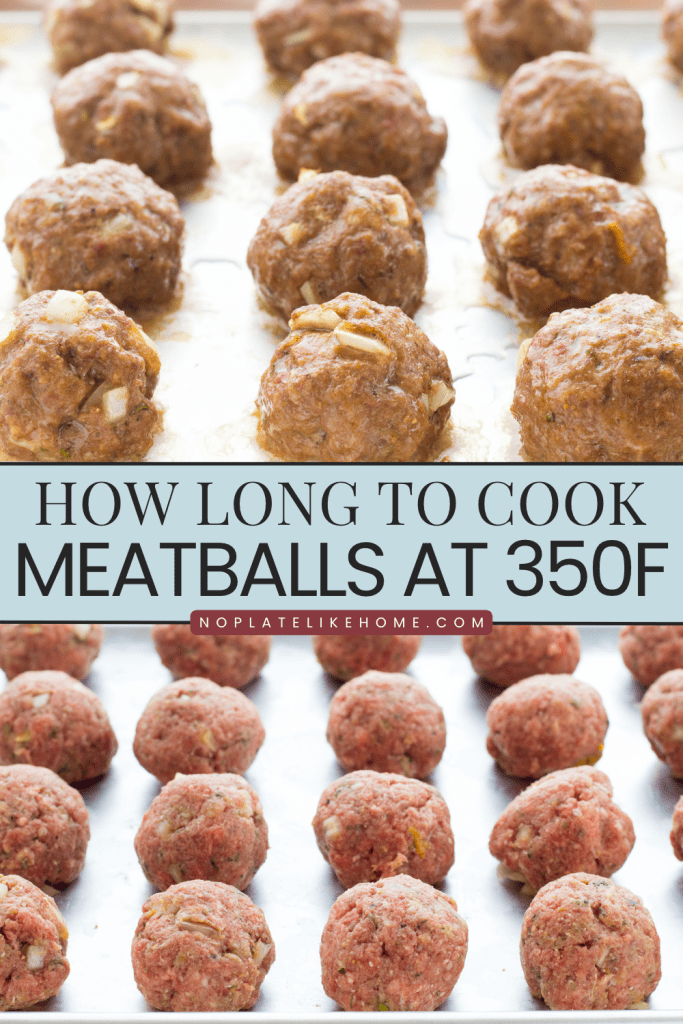
How to cook meatballs in oven without drying them out?
To cook meatballs in oven without drying them out ensure you do not overmix the meat mixture when preparing them. Overmixing develops the proteins too much leading to a tougher texture. Additionally use a meat thermometer to pull them from the oven as soon as they reach an internal temperature of 160 degrees Fahrenheit.
What is the ideal temperature for baking meatballs?
The ideal temperature for baking meatballs is generally 400 degrees Fahrenheit. This temperature allows the meatballs to develop a nice browned exterior while cooking through to a juicy interior in about 20 to 30 minutes. Always check for an internal temperature of 160F for safe eating.
How long does it take to cook meatballs in the oven?
It takes approximately 20 to 30 minutes to cook meatballs in the oven at 400 degrees Fahrenheit for fresh meatballs. For frozen meatballs the cooking time will extend to about 30 to 40 minutes at the same temperature. Always use a meat thermometer to ensure they reach 160F internal temperature.
Do I need to use parchment paper or foil when baking meatballs?
Using parchment paper or foil when baking meatballs is highly recommended as it prevents sticking and makes cleanup much easier. While not strictly required it simplifies the process significantly. Lightly grease the liner for extra non-stick assurance and better results.
Can I bake meatballs and sauce together in the oven?
Yes you can bake meatballs and sauce together in the oven for a convenient one-dish meal. First partially bake the meatballs for about 10-15 minutes to help them hold their shape. Then add them to your sauce in an oven-safe dish and bake until fully cooked and heated through.
What kind of ground meat is best for oven meatballs?
For oven meatballs a blend of ground beef and pork is often considered best as it provides a richer flavor and better moisture content. However you can use 100 percent ground beef turkey or chicken for delicious results. Choose a meat with a slightly higher fat content for juicier meatballs.
Learning how to cook meatballs in oven offers a straightforward and often less messy approach to making juicy, delicious meatballs. Baking ensures even cooking without constant flipping and frees up your stovetop for other sauce preparations. This method is a favorite for home cooks aiming for consistent results and simpler cleanup.
Preparing meatballs in the oven is a great way to handle larger batches, making meal prep a breeze for busy households across the United States. You can achieve beautifully browned exteriors and tender interiors with minimal effort. Just shape, arrange, and let your oven do the heavy lifting.
| Key Aspect | Quick Insight for Oven Meatballs |
|---|---|
| Temperature | Typically 375F to 400F for optimal cooking. |
| Time | 20 to 30 minutes depending on size and internal temp. |
| Doneness | Internal temperature should reach 160F for safety. |
| Benefits | Less mess, even cooking, hands-off prep. |
| Ingredients | Ground meat, binder, seasoning, optional liquid. |
Why Oven Baked Meatballs are a Game Changer
Oven-baked meatballs truly simplify meal preparation, offering a significant advantage over traditional pan-frying. They cook more uniformly, resulting in a consistent texture from edge to center. This hands-off cooking style means you are not tied to the stove, constantly monitoring and turning each meatball.
Moreover, baking significantly reduces kitchen mess, cutting down on splattered grease and oil. You avoid the need for extra fat, making it a healthier option for many families. This method is incredibly versatile, working well for both fresh and previously frozen meatballs, accommodating various dietary needs.
The even heat distribution in an oven helps prevent one side from overcooking while another remains underdone. This consistency is especially valuable when you are preparing a large batch. It ensures that every single meatball on the tray is perfectly cooked and ready to serve.
Plus, the dry heat of the oven creates a nice crust on the outside of the meatballs, locking in moisture and flavor. This browning contributes to a more appealing presentation and a richer taste. It’s a win-win for efficiency and deliciousness.
| Benefit | Practical Advantage |
|---|---|
| Even Cooking | Consistent texture throughout, no undercooked spots. |
| Less Mess | Minimizes grease splatter and stovetop cleanup. |
| Hands-Off | Frees up time for other cooking tasks or relaxation. |
| Healthier Option | Reduces the need for added cooking oils or fats. |
How to Cook Meatballs in Oven Step by Step Guide
Gathering Your Ingredients and Tools
Before you even think about how to cook meatballs in oven, assemble everything you need to make the process smooth. This includes your ground meat choice such as beef pork or a blend along with breadcrumbs eggs milk and your preferred seasonings.
Ensure you have a large mixing bowl a baking sheet lined with parchment paper or foil and a meat thermometer ready. Having these tools prepared eliminates last minute scrambling and helps keep your kitchen organized. A sturdy spoon or your clean hands will be essential for mixing.
Consider also having a small bowl of water nearby to wet your hands which can prevent the meat mixture from sticking too much when you form the meatballs. This simple trick makes shaping much easier and less frustrating. Being prepared helps everything flow seamlessly.
Preparing Your Meatballs
Start by gently combining all your meatball ingredients in the large mixing bowl taking care not to overmix. Overmixing can lead to tough meatballs so aim for just enough to incorporate everything evenly. Use light hands for a tender result.
Next, begin shaping your meatballs into uniform sizes around one to two inches in diameter. Consistency in size is key for even cooking. Smaller meatballs cook faster while larger ones require more time in the oven.
Place the formed meatballs on your prepared baking sheet leaving a little space between each one to allow for proper air circulation. This prevents them from steaming and helps them brown nicely. Don't overcrowd the tray for best results.
The Baking Process
Preheat your oven to 400 degrees Fahrenheit to ensure it reaches the ideal temperature before your meatballs go in. A hot oven helps sear the outside quickly, locking in the juices. Patience with preheating pays off in flavor.
Carefully transfer the baking sheet with your meatballs into the preheated oven. Bake for approximately 20 to 30 minutes, or until they are nicely browned and cooked through. Cooking times vary based on meatball size and oven calibration.
Midway through baking, you might gently rotate the baking sheet for even browning, though this is often unnecessary. Always monitor your meatballs to avoid overcooking which can lead to dry and less palatable results. Keep an eye on them.
Checking for Doneness
The most reliable way to confirm your meatballs are fully cooked is by checking their internal temperature with a meat thermometer. Insert the thermometer into the center of a meatball without touching the baking sheet.
Ground meat meatballs are safe to eat when they reach an internal temperature of 160 degrees Fahrenheit. This ensures that any potential harmful bacteria are eliminated making your meal safe for consumption. Don't eyeball it trust the thermometer.
If your meatballs haven't reached 160F yet continue baking them in five-minute intervals checking the temperature after each. Once they hit the target remove them from the oven immediately to prevent them from drying out. Serve them hot for the best experience.
Common Mistakes and Troubleshooting for Perfect Oven Meatballs
One common issue when learning how to cook meatballs in oven is ending up with dry, tough meatballs. This usually happens from overmixing the meat mixture or overcooking them in the oven. Remember that a gentle touch during preparation makes all the difference.
Another frequent problem is uneven cooking where some meatballs brown perfectly while others remain pale. This can often be remedied by not overcrowding the baking sheet allowing each meatball enough space for proper heat circulation. Give them room to breathe.
Sometimes meatballs stick to the baking sheet even with a liner. Ensuring your parchment paper or foil is lightly greased can prevent this. Also, try to flip them gently once halfway through cooking if you prefer a more uniform crust on all sides.
| Common Mistake | Troubleshooting Tip |
|---|---|
| Dry Meatballs | Avoid overmixing meat; do not overcook past 160F internal temp. |
| Uneven Browning | Do not overcrowd the baking sheet; leave space between meatballs. |
| Sticking to Pan | Grease parchment paper or foil lightly; use non-stick spray generously. |
Frequently Asked Questions About How to Cook Meatballs in Oven
What is the best temperature to cook meatballs in the oven?
The best temperature to cook meatballs in the oven is typically 400 degrees Fahrenheit. This temperature allows the meatballs to brown nicely on the outside while ensuring they cook through evenly and remain juicy on the inside. A consistent oven temperature is vital for great results.
Cooking at 400F for around 20 to 30 minutes usually yields perfectly cooked meatballs. You can also use 375F if your meatballs are larger or if you prefer a slightly slower bake. Always adjust cooking time based on the size of your meatballs and your oven's specific calibration.
Using a higher temperature helps create that desirable crust quickly which helps seal in the meatball’s natural flavors and moisture. It also cuts down on cooking time making it a more efficient method for busy cooks. Experiment to find your perfect sweet spot.
How long should I cook meatballs in the oven at 375F?
When cooking meatballs in the oven at 375 degrees Fahrenheit, you should generally bake them for about 25 to 35 minutes. The exact time depends on the size of your meatballs, with larger ones requiring closer to 35 minutes or slightly more. Always confirm doneness with a meat thermometer.
For standard one to one and a half inch meatballs 25 to 30 minutes at 375F usually does the trick. If you prefer a deeper brown exterior you can always broil them for a minute or two at the very end watching carefully to prevent burning.
This slightly lower temperature can be beneficial for very large meatballs allowing them to cook through without scorching the exterior. Always aim for an internal temperature of 160F for safe consumption regardless of the cooking time or temperature used.
Can you cook frozen meatballs in the oven?
Yes you can absolutely cook frozen meatballs in the oven making them a convenient option for quick meals. Simply arrange the frozen meatballs on a baking sheet and bake them at 375 to 400 degrees Fahrenheit. There's no need to thaw them beforehand.
Cooking times for frozen meatballs will be longer than for fresh ones typically around 30 to 40 minutes. Always check the internal temperature to ensure they reach 160F before serving. This method is perfect for busy weeknights or unexpected guests.
For best results with frozen meatballs ensure they are spaced out on the baking sheet so they cook evenly. Covering them loosely with foil for the first part of baking can also help them heat through more uniformly before browning. It's a real time-saver.
What is the internal temperature for cooked meatballs?
The safe internal temperature for cooked meatballs made from ground beef pork or a combination is 160 degrees Fahrenheit. Using a reliable meat thermometer is the most accurate way to verify doneness and ensure food safety for your family and guests.
To check the temperature insert the thermometer into the thickest part of a meatball avoiding any bones or the baking sheet itself. If the temperature reads below 160F return the meatballs to the oven and continue cooking for a few more minutes then recheck.
Reaching this specific temperature ensures that any harmful bacteria are destroyed providing peace of mind when serving. Never rely solely on visual cues like the color of the meat as this can be misleading. Always trust your meat thermometer.
Do I need to flip meatballs when cooking in the oven?
You do not strictly need to flip meatballs when cooking them in the oven but doing so can promote more even browning on all sides. If you prefer a uniformly golden-brown exterior, a gentle flip halfway through the baking process can help achieve this aesthetic.
Many home cooks choose not to flip their meatballs, and they still turn out perfectly delicious with one side having a slightly flatter, less browned appearance. The primary goal is internal doneness, which is achieved whether you flip them or not. It's a matter of preference.
If you decide to flip them do so carefully using tongs to avoid breaking them apart especially if they are very tender. This small extra step can make a visual difference for presentation but is not critical for flavor or safety. It's totally up to you.
Visual Documentation